%2Ffit-in%2F250x250%2Fguide_websites%2F4735%2Fimages%2Funtitleddesign.png&w=1920&q=100)
/users/7f7db3e8-88b7-4a31-b4be-ebbc477c6922/ratecard/unnamed-13.jpg)
%2F300x300%2Fusers%2F7f7db3e8-88b7-4a31-b4be-ebbc477c6922%2Fratecard%2Funnamed-13.jpg&w=256&q=75)
%2Ffilters%3Aformat(webp)%2F300x300%2Fd28dd80b-ce0d-4a1b-9b5f-41e8de795f03%2Freport%2Fsocial%2Fimages%2Freport%2Fwade-fishing-port-aransas-texas-2968.png&w=256&q=75)
%2Ffilters%3Aformat(webp)%2F300x300%2Fd28dd80b-ce0d-4a1b-9b5f-41e8de795f03%2Freport%2Fsocial%2Fimages%2Freport%2Fsummer-flounder-catch-port-aransas-8190.png&w=256&q=75)
%2Ffilters%3Aformat(webp)%2F300x300%2Fd28dd80b-ce0d-4a1b-9b5f-41e8de795f03%2Freport%2Fsocial%2Fimages%2Freport%2Fsqueteague-light-tackle-port-aransas-12851.png&w=256&q=75)
%2Ffilters%3Aformat(webp)%2F300x300%2Fd28dd80b-ce0d-4a1b-9b5f-41e8de795f03%2Freport%2Fsocial%2Fimages%2Freport%2Fspeckled-trout-light-tackle-port-3570.png&w=256&q=75)
%2Ffilters%3Aformat(webp)%2F300x300%2Fd28dd80b-ce0d-4a1b-9b5f-41e8de795f03%2Freport%2Fsocial%2Fimages%2Freport%2Fspeckled-trout-conn-brown-harbor-8551.png&w=256&q=75)
%2Ffilters%3Aformat(webp)%2F300x300%2Fd28dd80b-ce0d-4a1b-9b5f-41e8de795f03%2Freport%2Fsocial%2Fimages%2Freport%2Fsouthern-flounder-port-aransas-fishing-10305.png&w=256&q=75)
%2Ffilters%3Aformat(webp)%2F300x300%2Fd28dd80b-ce0d-4a1b-9b5f-41e8de795f03%2Freport%2Fsocial%2Fimages%2Freport%2Fsouthern-flounder-port-aransas-catch-3968.png&w=256&q=75)
%2Ffilters%3Aformat(webp)%2F300x300%2Fd28dd80b-ce0d-4a1b-9b5f-41e8de795f03%2Freport%2Fsocial%2Fimages%2Freport%2Fsouthern-flounder-light-tackle-drift-4718.png&w=256&q=75)
%2Ffilters%3Aformat(webp)%2F300x300%2Fd28dd80b-ce0d-4a1b-9b5f-41e8de795f03%2Freport%2Fsocial%2Fimages%2Freport%2Fredfish-light-tackle-port-aransas-9435.png&w=256&q=75)
%2Ffilters%3Aformat(webp)%2F300x300%2Fd28dd80b-ce0d-4a1b-9b5f-41e8de795f03%2Freport%2Fsocial%2Fimages%2Freport%2Fredfish-light-tackle-port-aransas-7521.png&w=256&q=75)
World-Class Wade Fishing in Port Aransas
 Port Aransas, TX
What you will be catching:
 Redfish
 Sea Trout
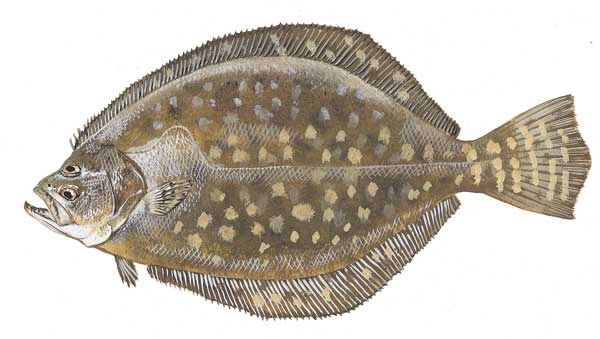 Southern Flounder
- Captain Cory takes you wade fishing on the shallow flats around Port Aransas, targeting trophy redfish, sea trout, and southern flounder. You'll step right into the water and work the prime spots where these fish feed. This is classic Texas coast fishing
- wading the flats gives you access to areas boats can't reach and puts you right in the action. Perfect for both experienced anglers and newcomers to wade fishing. We can arrange rod rentals if needed, and you can bring your own waders or rent locally. With just two guests max, you get personalized attention and plenty of room to fish. The morning bite on these flats is known for producing some serious fish, and Captain Cory knows exactly where to find them.
Trip Pricing and Availabilities:
Wade Fishing the Flats with Captain Cory
There's something special about stepping off the boat and wading into the gin-clear shallows around Port Aransas. Captain Cory knows these flats like the back of his hand, and he's ready to show you why wade fishing here is hands-down one of the best ways to target trophy redfish, sea trout, and flounder along the Texas coast. This isn't your typical fishing charter – you'll be right in the action, stalking fish in knee-deep water where every cast counts and every fish you hook feels personal.
What to Expect on the Water
Your morning starts early with Captain Cory, who'll get you positioned on the most productive flats based on tides, wind, and recent fish activity. The beauty of wade fishing is the stealth factor – you can sneak up on fish that would otherwise spook from a boat's shadow or engine noise. You'll spend five solid hours working different areas, from grass beds where trout love to ambush baitfish to sandy potholes where redfish cruise looking for crabs and shrimp. The trip accommodates just two anglers, which means plenty of personal attention and coaching from Cory. He'll help you read the water, spot fish movement, and adjust your technique based on conditions. Don't worry if you don't have waders – you can rent them locally, and Cory offers rod rentals if you need gear. Just remember to bring cash for that well-deserved 20% tip at the end of what's sure to be a memorable morning.
Wading Techniques & Gear
Wade fishing the flats requires a different approach than fishing from a boat. You'll be moving quietly through water that's typically waist-deep or shallower, making long casts to avoid spooking fish in the clear water. Captain Cory will teach you how to shuffle your feet to avoid stingrays and how to position yourself for the best casting angles. The key is staying mobile – when you find fish, you work them hard, but when the bite slows, you move to fresh water. Artificial lures work best in these conditions, and Cory knows exactly what the fish are hitting. Soft plastics rigged on jig heads are the go-to choice, but topwater plugs can provide explosive action when conditions are right. You'll learn to feel the bottom structure with your feet, identifying drop-offs, grass edges, and shell bars that hold fish. The wade fishing approach puts you right at the fish's level, giving you a connection to the environment that you just can't get from a boat deck.
Species You'll Want to Hook
Sea trout are the bread and butter of Port Aransas flats fishing, and for good reason. These spotted beauties love the grass flats and can be found year-round, though spring and fall offer the best action for keeper-sized fish. Trout typically run 14 to 20 inches in these waters, with the occasional 25-inch "gator trout" that'll test your drag system. They're aggressive feeders that hit both soft plastics and topwater lures with authority. What makes trout fishing so exciting is their unpredictability – they might be scattered across a flat one day and stacked up in a small pothole the next.
Redfish are the crown jewel of Texas flats fishing, and Port Aransas produces some absolute bulls. These copper-colored fighters are built for the shallows, with their downturned mouths perfect for rooting around in the sand and grass for crabs and shrimp. Reds can be caught throughout the year, but late summer and early fall see the biggest fish moving through the area. A slot-sized red (20-28 inches) will give you a fight you won't forget, and the bigger bulls over 28 inches are pure adrenaline. They're sight fishing at its finest – you'll often see their tails or backs as they feed in skinny water, making for heart-pounding moments when you're trying to make that perfect cast.
Southern flounder might not win any beauty contests, but they're one of the most rewarding fish to target on the flats. These flatfish are masters of camouflage, burying themselves in sandy bottoms near drop-offs and ambush points. Fall is prime time for flounder, as they stage for their spawning migration to deeper waters. A keeper flounder (15 inches minimum) provides excellent table fare, and their aggressive strikes often catch anglers off guard. They're sneaky fighters that use their flat profile to their advantage, making strong runs and trying to wrap your line around any structure they can find. Captain Cory knows the specific spots where flounder concentrate, often areas where other guides don't think to look.
Time to Book Your Spot
Wade fishing with Captain Cory offers something you can't get from a traditional boat charter – an intimate, up-close experience with some of the Gulf Coast's best fishing. The limited capacity means you'll get personalized instruction and plenty of opportunities to hone your skills. Whether you're new to saltwater fishing or a seasoned angler looking to try something different, this five-hour adventure delivers the kind of fishing memories that last a lifetime. The Port Aransas flats are legendary for a reason, and there's no better way to experience them than with your feet in the water and a rod in your hands. Book your trip with Russell & Sons Outdoors today and get ready to see why wade fishing has such a devoted following along the Texas coast.
Learn more about the species
Redfish
Red drum are the kings of our shallow flats, running anywhere from slot-sized 20-inchers up to bull reds pushing 40+ inches. You'll spot them in 1-4 feet of water around oyster bars, grass beds, and muddy bottoms where they root for crabs and shrimp. Their distinctive black spot near the tail makes them easy to identify. These copper-colored bruisers fight hard and taste great - firm, mild meat that grills perfectly. They're here year-round but really fire up in fall when they school for spawning runs. Pro tip: when you see their backs out of the water "tailing," cast past them and work your bait back slowly. They spook easily in skinny water, so keep noise to a minimum and approach from downwind.
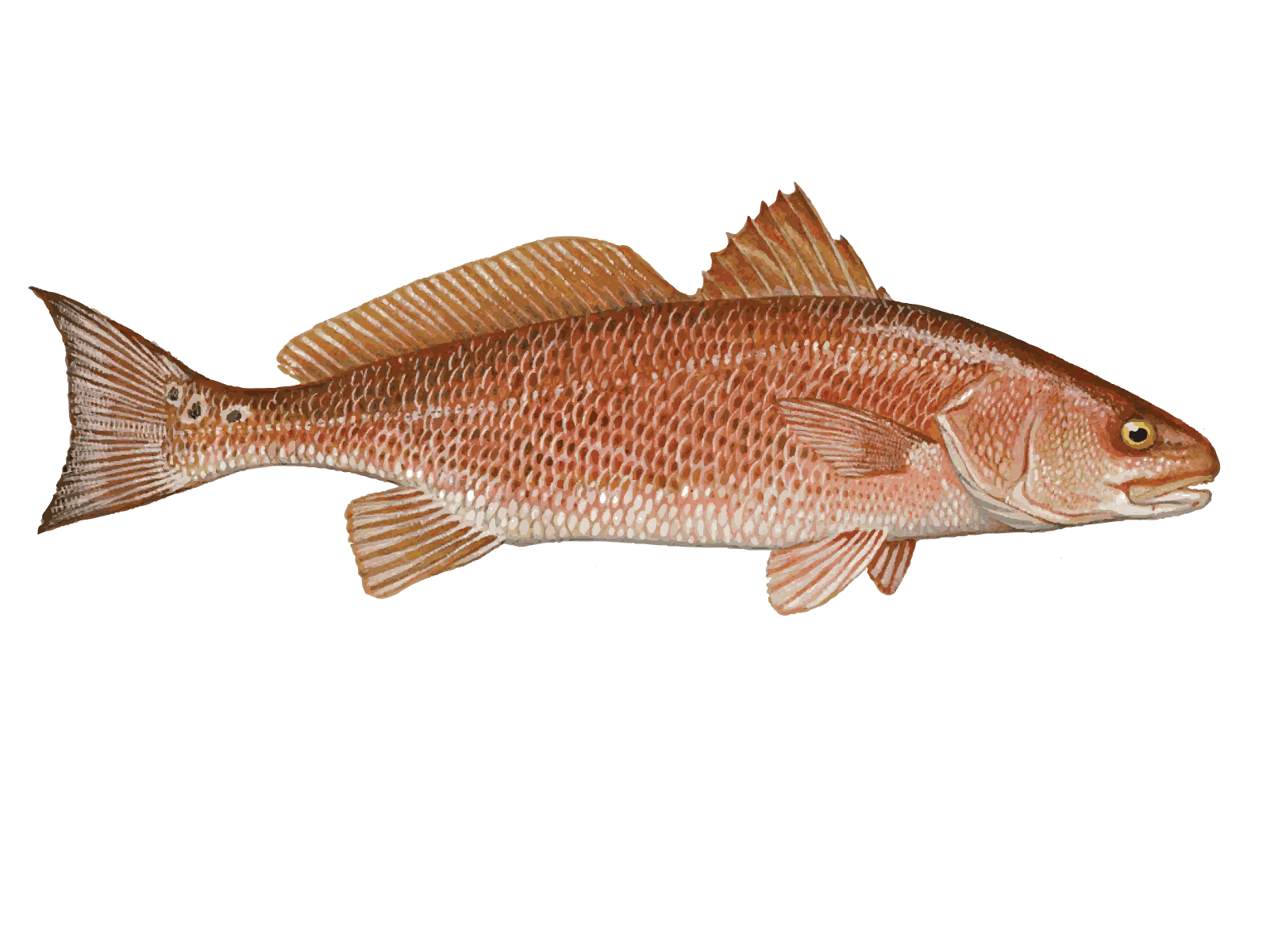
Sea Trout
Also called speckled trout, these silvery beauties with black spots run 14-24 inches and typically weigh 1-5 pounds. They love our grass flats and shallow waters, especially at dawn and dusk when they're actively feeding on shrimp and small baitfish. Fall and spring are prime time when water temps are just right. What makes them special? They're scrappy fighters with excellent table fare - white, flaky meat that's perfect for the dinner table. The key trick here in Port Aransas is working your lure slowly along the grass edges. They're ambush predators, so let that plastic shrimp or soft plastic tail sit for a second after each twitch. You'll feel that subtle thump when they take it.
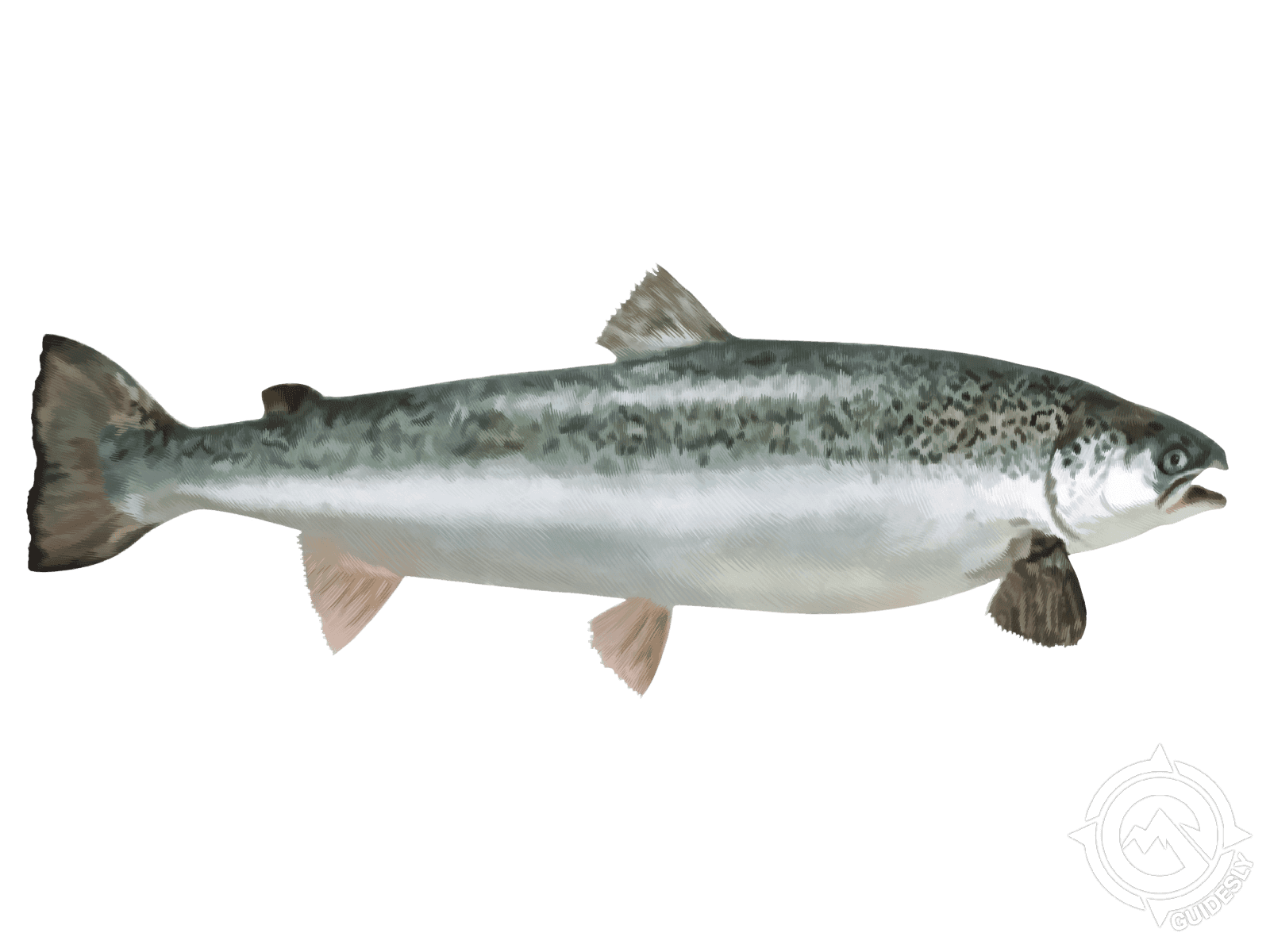
Southern Flounder
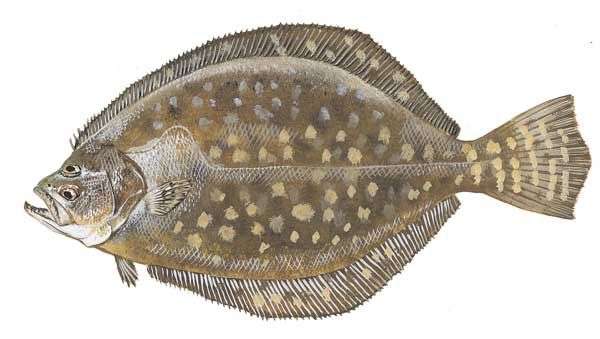
These flat, oval-shaped ambush predators are masters of disguise, burying themselves in sand and mud with both eyes on their left side watching for prey. Most run 15-18 inches, but doormat-sized fish over 20 inches make for great table fare with sweet, white meat. They hang out on sandy and muddy bottoms in our bays and shallow flats, especially around structure transitions. Cooler months are best as they move into shallower water to feed before heading offshore to spawn. What's fun about targeting them is the challenge - they're sneaky and require patience. My go-to technique is drifting live shrimp or bull minnows on light jigheads along the bottom. Feel for that subtle pickup and give them a second to fully take the bait before setting the hook.
About the Freedom
%2F%2Fusers%2F7f7db3e8-88b7-4a31-b4be-ebbc477c6922%2Fvehicle_picture%2Ffreedom.jpg&w=1920&q=75)
Vehicle Guest Capacity: 6
Manufacturer Name: Yamaha
Maximum Cruising Speed: 55
Number of Engines: 1
Horsepower per Engine: 250