%2Ffit-in%2F250x250%2Fguide_websites%2F4735%2Fimages%2Funtitleddesign.png&w=1920&q=100)
Rainbow Trout Caught in Port Aransas with Cory Russell
Rainbow Trout Fishing in Port Aransas - What to Expect
%2F%2Fusers%2F7f7db3e8-88b7-4a31-b4be-ebbc477c6922%2Fimages%2Frainbow-trout-port-aransas-2695.jpeg&w=1920&q=75)
Fishing Charter & Guided Hunts by Captain Cory Russell in December

Meet your Captain Cory Russell
- Best Port Aransas Fishing Charter


Summary
This fishing charter & guided hunt in Port Aransas, TX on Friday, December showcases a successful rainbow trout catch. Captain Cory Russell of Russell & Sons Outdoors specializes in delivering authentic fishing experiences where anglers can land quality trout in productive local waters. Expert technique and local knowledge combine to create memorable results.
Fishing Charter with Captain Cory Russell - Rates & Booking
Captain Cory Russell of Russell & Sons Outdoors was on the water Friday, December 6 bringing anglers into prime rainbow trout territory around Port Aransas. When you book a fishing charter, you're accessing years of local expertise and proven techniques that consistently put trophy-class trout in reach. Captain Russell understands the seasonal patterns, water conditions, and feeding behaviors that make the difference between a good day and an exceptional one.
Russell & Sons Outdoors operates professional fishing charters that emphasize quality over quantity. Each outing is designed around current conditions and target species, giving you the best possible chance at success. Booking your charter includes access to Captain Russell's knowledge, properly maintained equipment, and a guided experience that respects both the resource and your time on the water. Contact Russell & Sons Outdoors directly to inquire about current rates, availability, and trip details tailored to your skill level and objectives.
Highlights of Your Rainbow Trout Charter
Port Aransas presents exceptional opportunities for rainbow trout anglers. This image captures the pride and satisfaction that comes with landing a quality trout - the kind of moment that defines a successful day on the water. The achievement reflects not just luck, but proper technique, patience, and knowledge of where these fish hold and feed.
Captain Russell's charters combine the thrill of active fishing with the scenic beauty of coastal Texas waters. Whether you're working structure, reading the water column, or responding to changing conditions throughout the day, each charter builds your skills while pursuing genuine trophy potential.
Local Species Insights: Rainbow Trout
Rainbow trout in Port Aransas represent a prized catch that demands respect and understanding. These fish are visual predators that typically inhabit cooler, well-oxygenated water columns where they hunt baitfish and crustaceans. In coastal Port Aransas waters, rainbows show seasonal movement patterns - they concentrate in deeper channels during warmer months and move shallower during cooler periods, which aligns with December fishing windows.
Rainbow trout are known for their aggressive strikes and powerful runs, making them exciting to land. They respond well to live bait presentations, artificial lures that mimic natural prey, and strategic casting near structure like drop-offs, pilings, and submerged vegetation. Port Aransas offers multiple water conditions - from clearer deeper channels to more stained estuary water - and rainbow trout adapt to each environment. The fish you see caught here represents the kind of quality specimen that anglers pursue consistently in these waters.
What makes Port Aransas distinctive is the combination of resident populations and seasonal migrations. Winter months like December bring optimal conditions as water temperatures drop and trout become more active feeders. Captain Russell's experience timing these feeding windows and positioning clients where rainbows congregate is what separates productive days from quiet ones. Understanding trout behavior, respecting seasonal patterns, and using proper techniques all factor into success.
When you charter with Russell & Sons Outdoors, you're learning from someone who reads these water conditions daily. The catch documented here isn't unusual - it's representative of what consistent, skilled fishing produces in Port Aransas. Captain Russell focuses on teaching proper technique, helping you understand what you're seeing beneath the surface, and making strategic decisions that increase your odds throughout the day.
Fishing & Hunting in Port Aransas, TX: Rainbow Trout
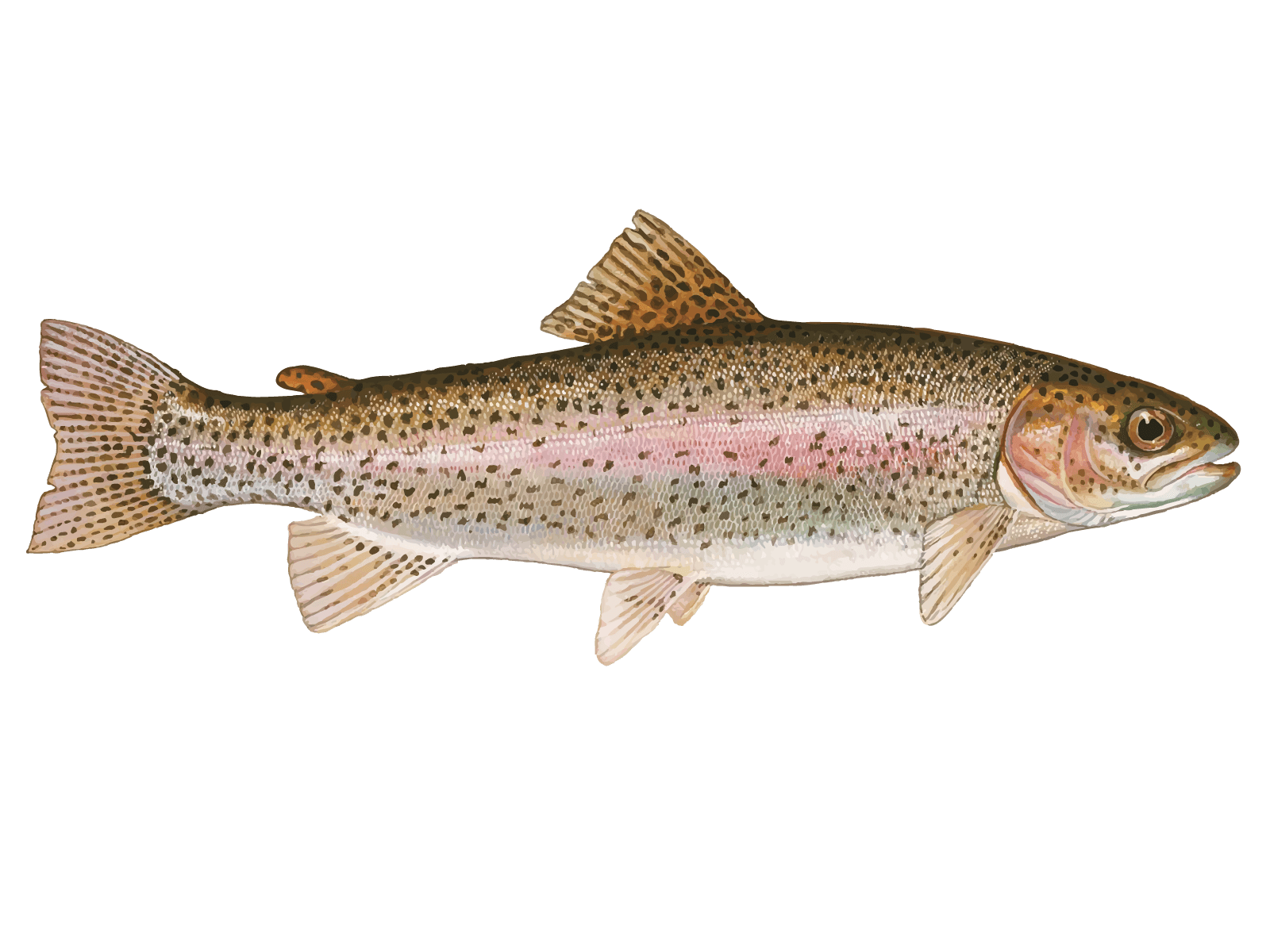
Rainbow Trout Overview
Rainbow Trout (Oncorhynchus Mykiss) is a premier game fish belonging to the family Salmonidae and order Salmoniformes. Known for their striking appearance—featuring vibrant pink, red, and purple stripes along silvery sides, combined with a bluish-green upper body and distinctive black spots—these fish have captivated anglers and outdoor enthusiasts for generations. What makes Rainbow Trout truly special is their incredible adaptability to different freshwater and saltwater environments, combined with their well-earned reputation as strong, acrobatic fighters when hooked. Whether you're planning a fishing trip in Colorado, Montana, or anywhere across North America, Rainbow Trout represent one of the most accessible and rewarding freshwater angling experiences available today.
Rainbow Trout Habitat and Distribution
Rainbow Trout are native to the Pacific coast of North America, ranging from Mexico to Alaska, as well as northeastern and central United States and the eastern coast of Asia. They thrive in freshwater bodies including rivers, streams, and lakes that maintain cool temperatures and strong currents. These fish prefer environments with abundant natural cover such as water vegetation, weeds, and gravelly shorelines where they can hide and feed comfortably. The species shows remarkable flexibility, thriving in streams with fast-flowing currents as well as in cool, deep waters of lakes and reservoirs. Because Rainbow Trout require pristine, clean water to survive, they serve as excellent indicators of environmental health and water quality. You'll find them concentrated in areas with ideal temperature ranges of 55°F to 64°F, though they can tolerate temperatures up to 70°F. Throughout North America, they inhabit some of the most scenic and majestic river systems, making them both a ecological treasure and a draw for outdoor recreation enthusiasts.
Rainbow Trout Size and Weight
Rainbow Trout display considerable size variation depending on their habitat, age, and gender. Typical specimens range from 16 to 34 inches in length, with an average weight between 1 to 8 pounds, making them a satisfying catch for anglers of all experience levels. The species can reach impressive proportions—the largest Rainbow Trout on record was caught in Canada in 2009 and weighed an astounding 48 pounds, demonstrating the tremendous growth potential these fish possess under ideal conditions. Most recreational anglers encounter fish in the 2 to 8-pound range, which provides excellent sport and makes for quality meals. Younger Rainbow Trout remain hidden until reaching 2 to 3 years of age, when they venture into deeper waters and continue their growth trajectory.
Rainbow Trout Diet and Behavior
Rainbow Trout are opportunistic predators with diverse feeding habits that change seasonally and based on water conditions. These fish primarily feed on aquatic insects, small fish, and crustaceans, actively hunting near the surface and in deeper water columns depending on time of day and season. They're also known to consume fish eggs, other Rainbow Trout, and even leftover carcasses, demonstrating their adaptable nature as hunters. Their feeding patterns peak during dusk and late evening hours, making these times ideal for anglers. During summer months when water temperatures rise, Rainbow Trout retreat to cooler depths to maintain their metabolism and seek oxygen-rich environments. The species is known for its aggressive feeding response and acrobatic behavior when pursuing prey, characteristics that translate into exciting fishing experiences. Their behavior is largely influenced by water temperature, light levels, and food availability, all factors that experienced anglers consider when planning their approach.
Rainbow Trout Spawning and Seasonal Activity
Rainbow Trout enter their spawning season during late winter through early summer, with peak activity typically occurring in spring. During this reproductive period, males seek shallow areas with gravel substrate and clear water inlets or outlets, where females deposit their eggs. The spawning habitat selection is critical for reproductive success, with gravel beds providing ideal conditions for egg development and protection. Depending on water temperature conditions, eggs hatch anywhere from a few weeks to four months after fertilization. After hatching, young Rainbow Trout (called fry) remain hidden in protective cover until reaching 2 to 3 years of age, at which point they venture into deeper, more open waters. The species reaches sexual maturity and begins spawning at ages 3 to 4 years old. Understanding these seasonal patterns is crucial for both conservation and successful angling, as spawning fish behave differently and often require specialized approaches or may be protected during sensitive periods.
Rainbow Trout Techniques for Observation and Capture
Successfully catching Rainbow Trout requires understanding their habitat preferences and feeding behavior. Fly fishing stands as the most popular and effective method, with techniques including nymphing fly fishing, dry fly fishing for rising fish, emerger and bugger presentations. Use lightweight rods between 7-9 feet in length with a weight rating of 3-5, allowing for accurate casting and sensitive presentations. Spin fishing methods prove equally effective, employing spoons, spinners, and plugs retrieved at varying speeds, or drifting artificial lures below bobbers to mimic natural prey movement. Live and prepared baits including worms, roe, and egg sacs work exceptionally well, particularly when kept slightly off the bottom in moderate current. Fish during early morning hours, late afternoon, and especially around dusk when Rainbow Trout feed most actively. Target gravelly shorelines, areas with current breaks behind boulders, and transitions between shallow and deep water. Around areas like the San Juan River in New Mexico or the Eagle River in Colorado, nymphing techniques during spring and fall produce exceptional results, with local guides recommending small weighted nymphs in sizes 14-18. The key to consistent success involves matching your presentation to current water conditions, observing insect hatches, and adjusting your approach based on seasonal water temperatures and flow rates.
Rainbow Trout Culinary and Utilization Notes
Rainbow Trout ranks among the finest eating fish available to anglers, prized for its distinctive pink flesh and mild flavor with subtle nutty undertones that pair beautifully with herbs like thyme and rosemary. The flesh quality and flavor intensity can vary based on the fish's diet and habitat, with stream-caught specimens often exhibiting richer flavors than hatchery-raised fish. Culinary preparation methods are wonderfully diverse—grilling whole fish over an open fire brings out natural flavors, baking with simple seasonings preserves delicate texture, and frying delivers crispy skin and moist flesh. From a nutritional standpoint, Rainbow Trout provides exceptional health benefits, delivering high levels of omega-3 fatty acids essential for cardiovascular health and cognitive function. These healthy fats have been linked to reduced risk of heart disease, improved brain function, and decreased inflammation throughout the body. Whether prepared simply at a riverside camp or elaborately in a fine dining establishment, Rainbow Trout offers both excellent eating quality and genuine nutritional value, making them both a recreational pursuit and a sustainable protein source. Many anglers find the experience of catching, preparing, and enjoying Rainbow Trout fresh in nature to be among the most rewarding aspects of their outdoor adventures.
Rainbow Trout Frequently Asked Questions
Q: What is the best bait and lure combination for catching Rainbow Trout?
A: Success depends on season and water conditions. Live worms, roe, and egg sacs work exceptionally well year-round, particularly in spring and fall. For lure-based approaches, spoons and spinners in sizes 1/4 to 1/2 ounce produce consistently, while flies—including nymphs, dry flies, and emergers—prove most effective during spring hatches. Matching your presentation to current insect activity and water clarity dramatically improves your success rate.
Q: Where can I find Rainbow Trout populations and prime fishing locations?
A: Rainbow Trout inhabit streams, rivers, and lakes throughout North America from the Pacific coast to the eastern United States. Prime locations include the Snake River in Idaho, the South Platte River in Colorado, the Deschutes River in Oregon, and countless smaller streams across the Rocky Mountain region. Local fly shops and state wildlife agencies can provide current conditions and access information for your specific area.
Q: Is Rainbow Trout considered good to eat, and what nutritional benefits do they provide?
A: Absolutely—Rainbow Trout is excellent eating with pink, mild-flavored flesh that accepts diverse preparation methods. The fish provides exceptional nutritional value through high omega-3 fatty acid content, supporting heart health, brain function, and reducing inflammation. Most anglers consider fresh-caught Rainbow Trout a delicacy, and the eating quality ranks among the finest freshwater fish available.
Q: When is the best time of year and time of day to fish for Rainbow Trout?
A: Spring and fall offer peak fishing opportunities during spawning season and when water temperatures reach ideal ranges of 55-64°F. During summer, water warming drives fish to cooler depths. Fish during low-light periods—early morning before sunrise, late afternoon, and especially dusk through evening—when Rainbow Trout feed most actively. Midday fishing is possible but typically less productive.
Q: How do I differentiate between Rainbow Trout and similar species like Steelhead?
A: Rainbow Trout and Steelhead are actually the same species—the key difference is lifestyle. Rainbow Trout spend their entire lives in freshwater rivers, streams, and lakes, maintaining their distinctive coloration with pink side stripes and spotted patterns. Steelhead are anadromous Rainbow Trout that migrate to saltwater for extended periods before returning to freshwater to spawn, typically appearing more silver and less colorful than resident Rainbow Trout.
Q: What equipment and rod specifications work best for Rainbow Trout fishing?
A: For fly fishing, use 7-9 foot rods with weight ratings of 3-5 weight, paired with floating lines and quality reels featuring smooth drag systems. Spin fishermen benefit from light to medium-light rods (5-6 feet) with 4-8 pound test line, allowing precise casting and sensitive bite detection. Regardless of method, quality drag systems, sharp hooks, and appropriate line weight matching your target water and fish size prove essential for consistent success and ethical catch practices.