%2Ffit-in%2F250x250%2Fguide_websites%2F4735%2Fimages%2Funtitleddesign.png&w=1920&q=100)
/users/7f7db3e8-88b7-4a31-b4be-ebbc477c6922/ratecard/fishing.png)
%2F300x300%2Fusers%2F7f7db3e8-88b7-4a31-b4be-ebbc477c6922%2Fratecard%2Ffishing.png&w=256&q=75)
%2F300x300%2Fusers%2F7f7db3e8-88b7-4a31-b4be-ebbc477c6922%2Fimages%2Fport-aransas-speckled-trout-catch-7111.png&w=256&q=75)
%2F300x300%2Fusers%2F7f7db3e8-88b7-4a31-b4be-ebbc477c6922%2Fimages%2Ffisherman-catch-texas-2315.jpg&w=256&q=75)
%2F300x300%2Fusers%2F7f7db3e8-88b7-4a31-b4be-ebbc477c6922%2Fimages%2Fbest-great-fishing-port-aransas-2335.jpg&w=256&q=75)
%2F300x300%2Fusers%2F7f7db3e8-88b7-4a31-b4be-ebbc477c6922%2Fimages%2Fduck-hunt-port-aransas-wetlands-6974.png&w=256&q=75)
%2F300x300%2Fusers%2F7f7db3e8-88b7-4a31-b4be-ebbc477c6922%2Fimages%2Fsqueteague-light-tackle-port-aransas-12851.png&w=256&q=75)
%2F300x300%2Fusers%2F7f7db3e8-88b7-4a31-b4be-ebbc477c6922%2Fimages%2Fsouthern-flounder-port-aransas-fishing-10305.png&w=256&q=75)
%2F300x300%2Fusers%2F7f7db3e8-88b7-4a31-b4be-ebbc477c6922%2Fimages%2Fredfish-light-tackle-conn-brown-7556.png&w=256&q=75)
%2F300x300%2Fusers%2F7f7db3e8-88b7-4a31-b4be-ebbc477c6922%2Fimages%2Fredfish-catch-conn-brown-harbor-7171.png&w=256&q=75)
%2F300x300%2Fusers%2F7f7db3e8-88b7-4a31-b4be-ebbc477c6922%2Fimages%2Flight-tackle-drift-fishing-adventure-3961.png&w=256&q=75)
%2F300x300%2Fusers%2F7f7db3e8-88b7-4a31-b4be-ebbc477c6922%2Fimages%2Flarge-fish-conn-brown-harbor-7554.png&w=256&q=75)
Afternoon Inshore Charter Russell & Sons Port Aransas
 Port Aransas, TX
What you will be catching:
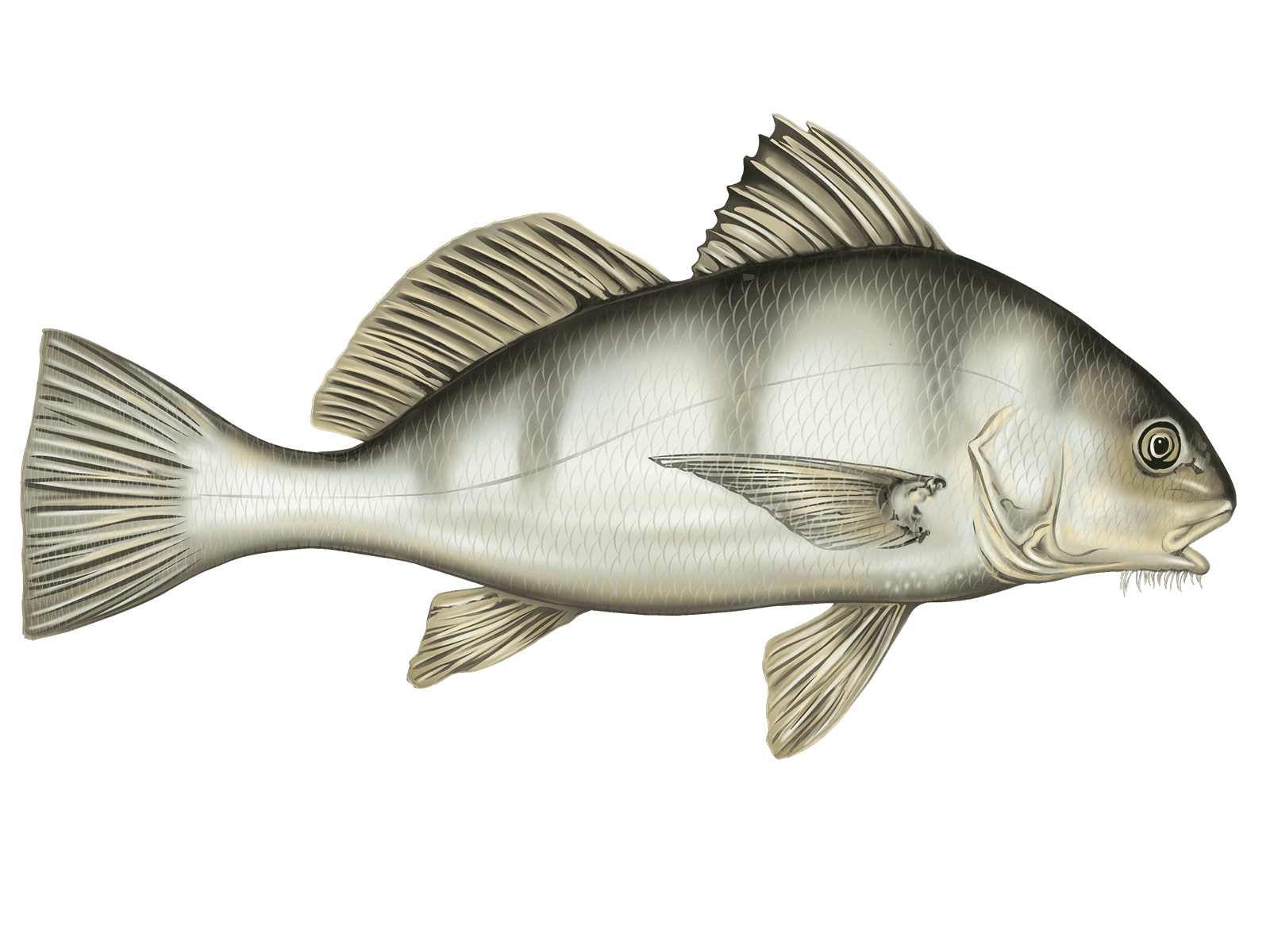
 Black Drum
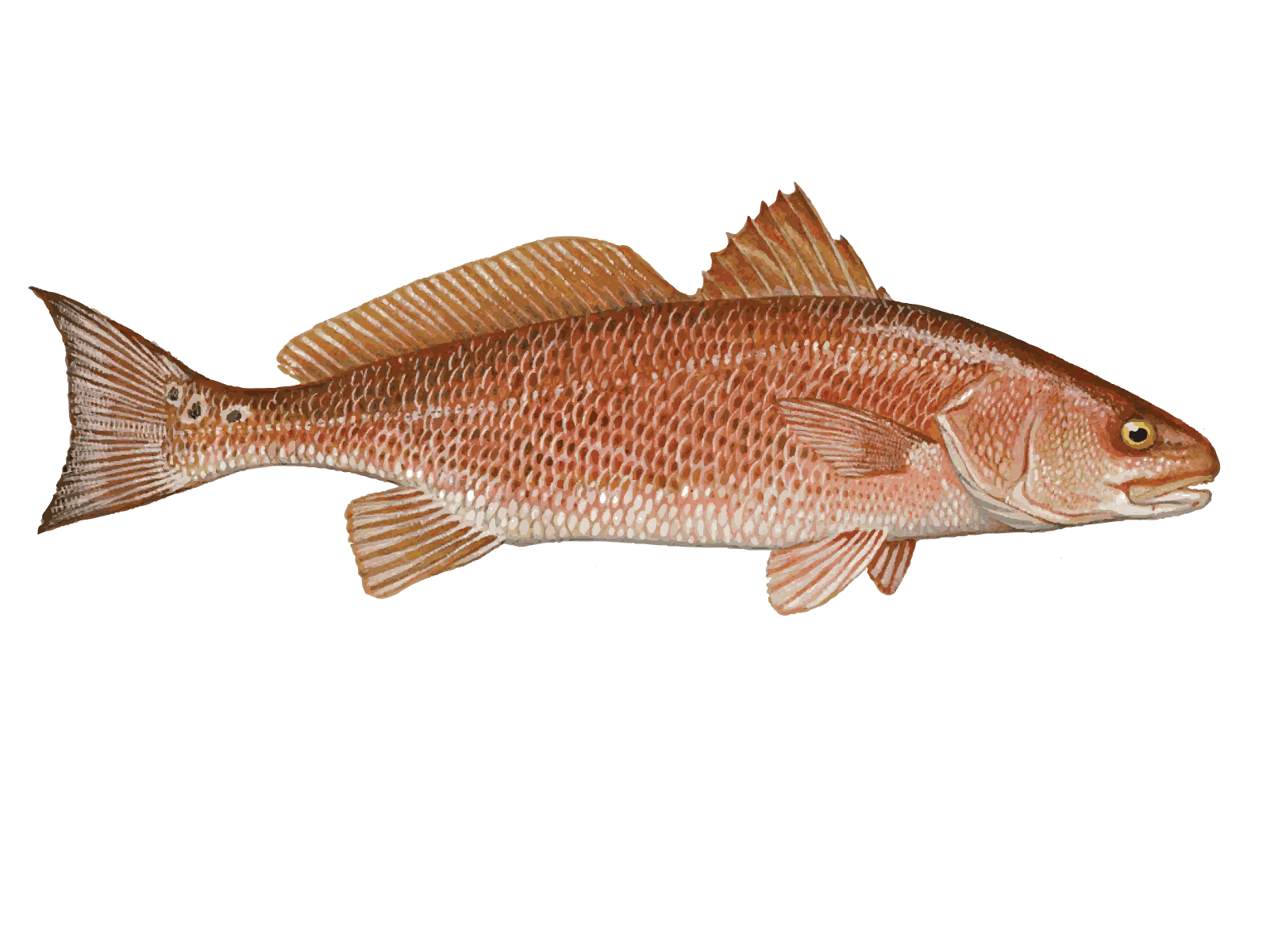
 Redfish
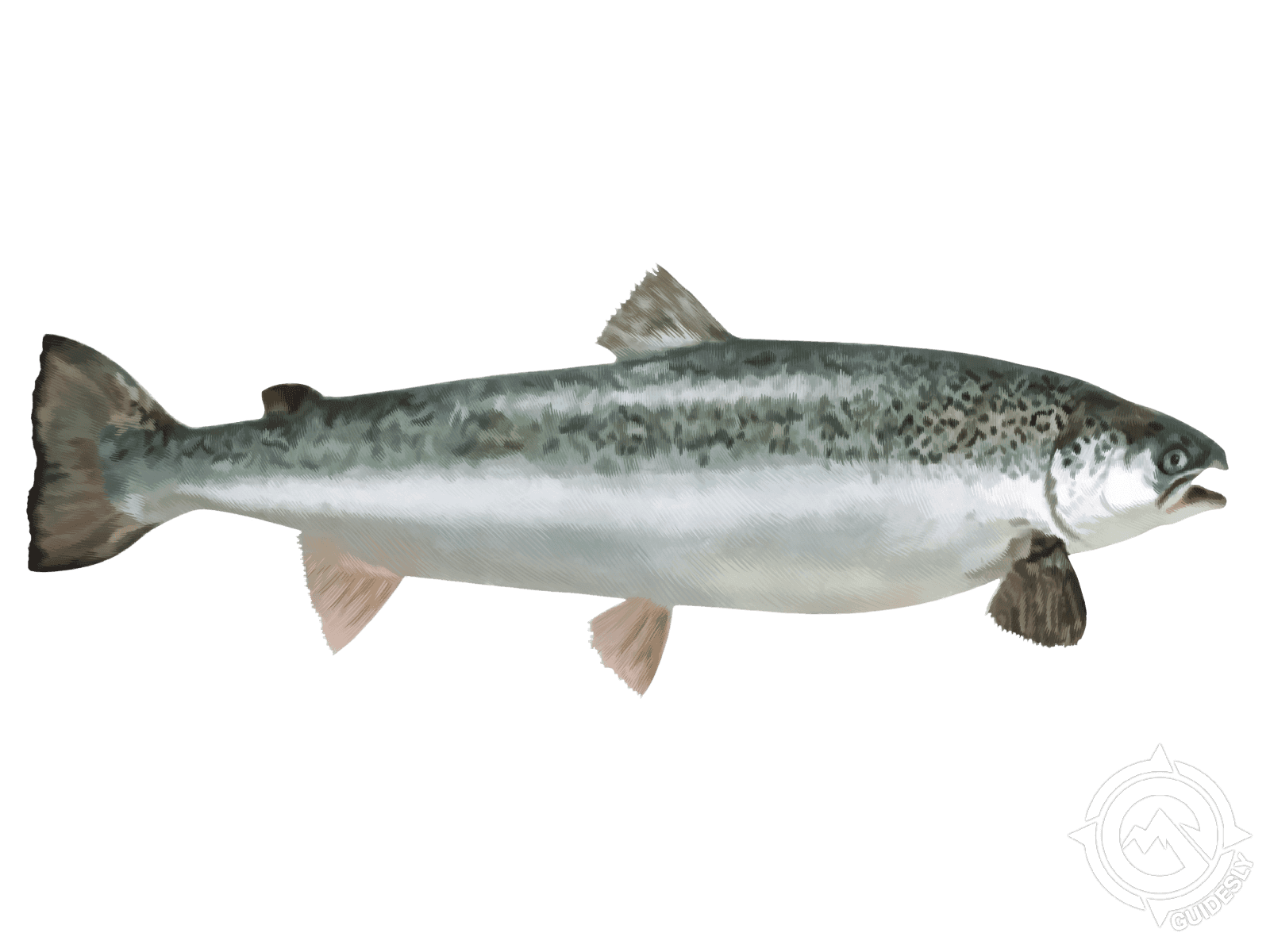
 Sea Trout
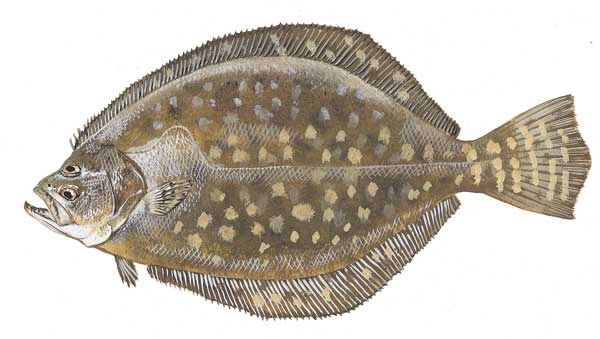 Southern Flounder
- This afternoon inshore charter puts you right in the heart of Port Aransas' best fishing spots. You'll target redfish, speckled trout, flounder, and black drum in the shallow bays where these fish love to feed. Russell & Sons provides all your gear, so just bring yourself and get ready to fish. The afternoon timing is perfect – you'll avoid the morning rush and enjoy cooler temperatures as the day winds down. With space for just two guests, you get personalized attention from your guide who knows exactly where the fish are biting. Whether you're new to saltwater fishing or looking to dial in your technique, this trip gives you quality time on the water without the crowds.
Trip Pricing and Availabilities:
Afternoon Inshore Fishing in Port Aransas
Looking for a solid afternoon of fishing without all the hassle? This Port Aransas inshore charter puts you right in the action with some of the Texas coast's most sought-after fish. We're talking about prime fishing grounds where redfish cruise the shallows, trout hang around structure, and flounder hide in the sandy bottoms. Russell & Sons Outdoors keeps it simple – we bring the gear, you bring the enthusiasm. With just two spots available, you're getting personalized attention and prime positioning on every cast. The afternoon timing hits that sweet spot when fish start getting active as the day cools down.
What to Expect on the Water
This isn't your crowded party boat situation. With only two anglers max, you're getting the VIP treatment on Port Aransas' productive inshore waters. We'll cruise the back bays, work the grass flats, and hit those proven spots where fish consistently show up. The afternoon start gives you perfect timing – you'll avoid the morning rush and catch that prime feeding window when the sun starts to mellow out. Our boat stays in the protected waters, so you won't be dealing with big swells or rough conditions. Just steady fishing in some of Texas' most reliable inshore grounds. The beauty of these waters is the variety – you never know if your next bite will be a slot red, a chunky trout, or a doormat flounder. We handle all the navigation, fish-finding, and positioning so you can focus on what matters: getting fish in the boat.
Gear and Fishing Methods
We've got you completely covered on tackle – quality spinning rods matched with smooth reels, fresh bait, and a full selection of lures that work in these waters. Depending on conditions and what we're targeting, we'll switch between live shrimp, soft plastics, and topwater plugs. The inshore game here is all about reading the water and adapting your approach. Some days we're sight-casting to tailing reds in skinny water, other times we're working deeper channels with jigs bouncing along the bottom for flounder. The tackle we use is perfectly sized for these species – light enough to feel every bite, but with enough backbone to turn a big red away from structure. We'll teach you the local techniques that work best in Port Aransas waters, from the proper retrieve for trout to how to work a soft plastic for maximum strikes. Don't worry about bringing anything except your fishing license and some cash for that 20% tip at the end of the trip.
Top Catches This Season
Redfish are the crown jewel of Port Aransas inshore fishing, and for good reason. These copper-colored bruisers average 20-28 inches in our waters and fight like they're twice that size. Fall through spring offers the best action, when schools of reds move into the shallows to feed aggressively. What makes them special is that explosive strike and the way they dig deep, using their broad sides to fight every inch of the way up. You'll find them around oyster reefs, grass beds, and shallow flats where they're hunting crabs and baitfish. The sight of a red's back and tail breaking the surface as it feeds in two feet of water never gets old.
Sea trout provide consistent action and excellent table fare throughout most of the year. These spotted beauties typically run 14-18 inches in our area, with occasional "gator trout" pushing the 20+ inch mark. They're structure-oriented fish, hanging around drop-offs, shell beds, and grass lines where they ambush passing bait. Spring and early summer produce the most reliable trout fishing, though they bite year-round when you find the right depth and temperature. Trout have a softer mouth than reds, so the fight is more about finesse, but they make up for it with their willingness to hit lures and their reputation as one of the best eating fish in the bay.
Southern flounder are the ultimate ambush predators, lying flat on sandy bottoms waiting for unsuspecting prey to swim by. These flatfish typically range from 14-20 inches, with some real doormats reaching 24+ inches during peak season. Fall is prime time for flounder as they stage near passes before heading to deeper water to spawn. What makes them exciting is the hunt – you're literally sight-fishing for fish that look like part of the bottom until they move. Their strike is subtle but unmistakable, and once hooked, they use their flat profile to create maximum resistance. They're also phenomenal on the dinner table.
Black drum round out our target species and provide some of the strongest fights you'll experience in shallow water. These deep-bodied fish range from slot-sized 16-inchers to bull drums that can top 30+ pounds. They're year-round residents but really turn on during spring spawning runs. Black drums are bottom feeders with a preference for crabs and shrimp, so you'll often catch them using natural baits fished right on the structure. Their fight is all about power – no flashy jumps, just steady, bulldogging determination that will test your drag and your arms.
Time to Book Your Spot
Port Aransas inshore fishing delivers the goods, and this afternoon charter puts you in position to experience why locals and visitors keep coming back to these waters. With professional gear, local knowledge, and prime afternoon timing, you're set up for success whether you're a seasoned angler or just getting started. The two-person limit means you'll get hands-on instruction and the kind of personalized service that makes the difference between a good day and a great day on the water. These afternoon slots fill up fast, especially during peak seasons, so don't wait around. Book your charter with Russell & Sons Outdoors and get ready to see why Port Aransas has earned its reputation as one of Texas' top inshore fishing destinations.
Learn more about the animals
Black Drum
Black Drum are the heavyweights of our inshore waters, ranging from schoolie 5-pounders to massive 40+ pound bulls that'll test your tackle. They're bottom feeders with powerful jaws designed for crushing oysters and crabs, hanging around shell beds, pilings, and creek mouths. Spring is prime time when they school up for spawning - that's when you'll hear them "drumming" underwater. The smaller ones under 15 pounds make great eating, but the big ones are tough and better released. They love brackish water and can handle everything from shallow flats to 20-foot channels. Blue crab is your best bet for bait - cut it in half and fish it right on the bottom. Pro tip: when you get a bite, give them time to really grab it before setting the hook. They're notorious for picking up bait and dropping it.
Redfish
Redfish are the crown jewel of our shallow water fishing, easily recognized by their copper-bronze color and distinctive black spots near the tail. These fish typically run 20-30 inches in our bay system, with some bulls pushing 40+ inches. They love super shallow water - sometimes so shallow their backs stick out. You'll find them cruising oyster reefs, grass flats, and shorelines hunting for crabs and shrimp. Fall through spring offers the best action when they're most active in cooler water. What makes them special is their explosive topwater strikes and bulldogging fights. Plus, they're excellent eating with sweet, firm meat. They're not picky eaters but can be spooky in shallow water. My go-to trick is to cast well ahead of cruising fish and let your bait sit still - they'll find it. Movement often spooks them in skinny water.
Sea Trout
Spotted sea trout, or "specks" as we call them, are one of our most popular targets with their beautiful spotted sides and excellent eating quality. They typically run 14-20 inches but we regularly see fish pushing 25+ inches. These fish love grass flats, drop-offs, and areas with moving water where they can ambush shrimp and baitfish. They're most active during cooler months when water temps drop, especially dawn and dusk. The fight is fun but not overpowering - perfect for kids and light tackle fishing. Their white, flaky meat is some of the best you'll taste. Look for them in 2-6 feet of water around structure. Here's a local secret: when the water's clear, downsize your leader to 15-pound fluorocarbon and slow your retrieve. Trout are spooky in shallow water and will turn away from heavy line they can see.
Southern Flounder
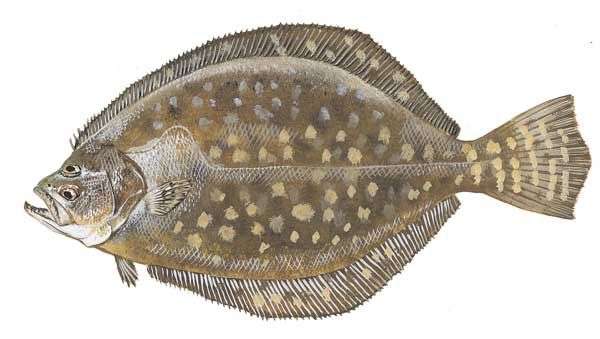
These flat fish are masters of disguise, burying themselves in sandy and muddy bottoms where they ambush prey like shrimp and small baitfish. Most run 15-18 inches, but we catch some pushing 25+ inches in our bay system. Both eyes sit on their left side, which always gets the kids excited. They're fantastic table fare with sweet, flaky white meat. Fall and winter months are prime time when they're fattening up before heading offshore. You'll find them around grass flats, drop-offs, and channel edges in 3-8 feet of water. Here's the trick most folks miss - when you feel that subtle tap, count to three before setting the hook. Flounder inhale bait from the side and need time to turn it around in their mouth.
About the Freedom
%2F%2Fusers%2F7f7db3e8-88b7-4a31-b4be-ebbc477c6922%2Fvehicle_picture%2Ffreedom.jpg&w=1920&q=75)
Vehicle Guest Capacity: 6
Manufacturer Name: Yamaha
Maximum Cruising Speed: 55
Number of Engines: 1
Horsepower per Engine: 250